Why Dubai
Why Dubai: the case,
and the caveats.
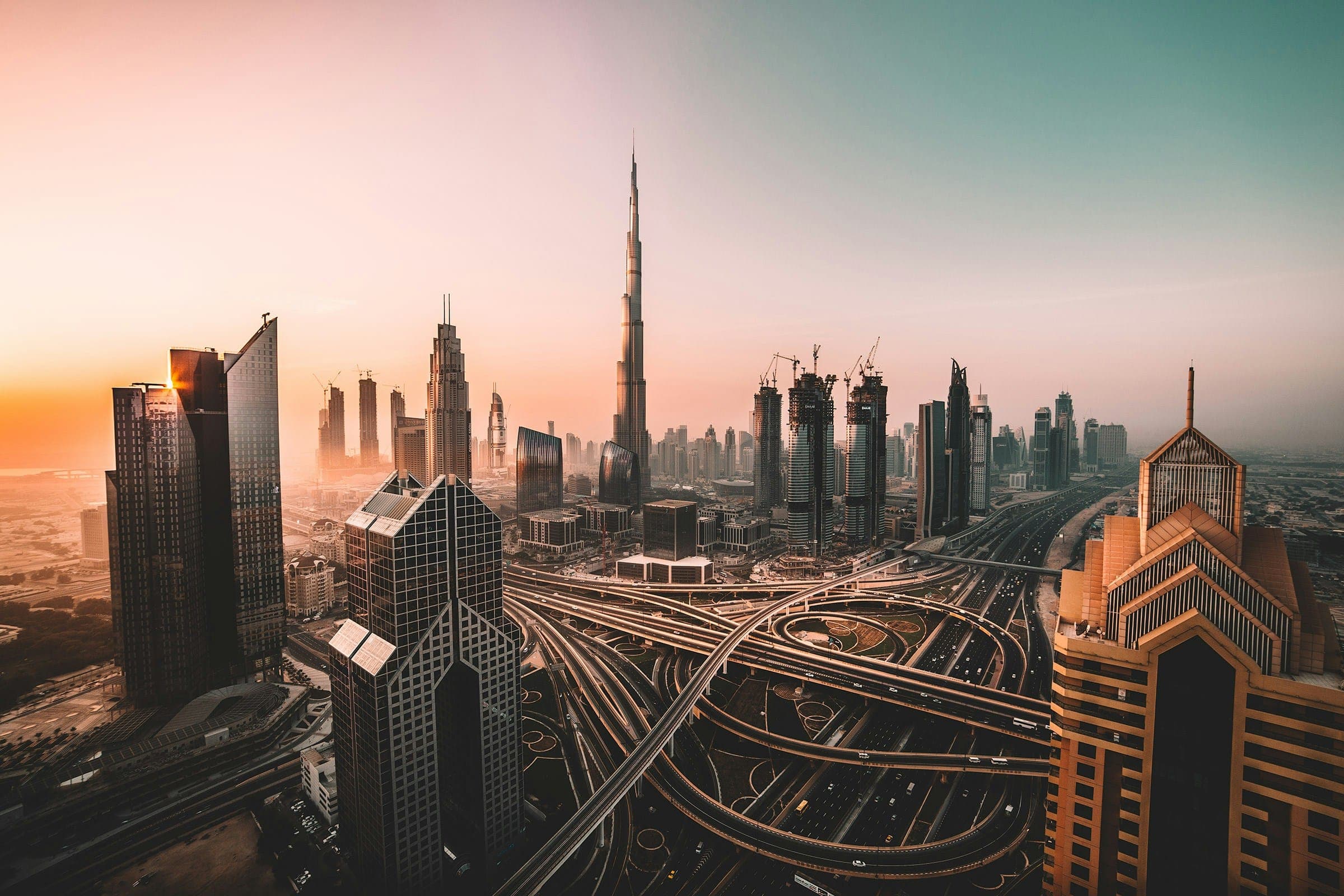
Downtown Dubai at sunrise. Photo: David Rodrigo / Unsplash
Why people choose Dubai for a home or an investment, and the costs, rules and risks to understand before you do.
By SkyBuild Real Estate
Last reviewed
10 min read
The short answer
Dubai is one of the world’s best-connected cities. Foreign buyers can own property outright in designated areas, and every sale is recorded on a public register. Within a short drive you can choose between very different ways of living. For many people that is a strong case.
It isn’t a complete case. Dubai property comes with transaction costs, running costs and market cycles, and its rules have changed over time and will change again. Whether Dubai is right for you depends less on the city’s strengths than on how they fit your plans, your budget and how long you expect to stay. This guide sets out both sides.
A connected city
Dubai’s location between Europe, Asia and Africa has shaped its economy. Dubai International handled 95.2 million passengers in 2025, second only to Atlanta worldwide, according to Airports Council International (Airports Council International (ACI World), opens in a new tab). For people whose work, family or business spans several regions, being a short flight from much of the world can matter as much as the home itself.
That connectivity shapes the population too. Many residents came from somewhere else, and many expect to move again. That mix of people makes the city open and cosmopolitan. It also matters for property: people arrive and leave, so the demand for homes is closely tied to jobs, business conditions and immigration policy.
Many cities in one
Dubai isn’t one market. A tower apartment in a dense, walkable business district, a waterfront home, and a townhouse in a planned community near the desert are different products for different lives. They have different costs, different neighbours and different ways of getting around. Comparing them by price per square foot alone misses most of what makes them different.
It also matters where you can own. Dubai’s real property registration law (Dubai Legislation Portal, opens in a new tab) generally restricts ownership to UAE and GCC nationals and certain companies, but allows non-UAE nationals to hold freehold title, or long leasehold and usufruct rights, in areas the Ruler has designated. The designating regulation (Dubai Legislation Portal, opens in a new tab) dates from 2006, and more areas have been added since. For most international buyers, the choice is between designated areas, not the whole city.
The urban environment
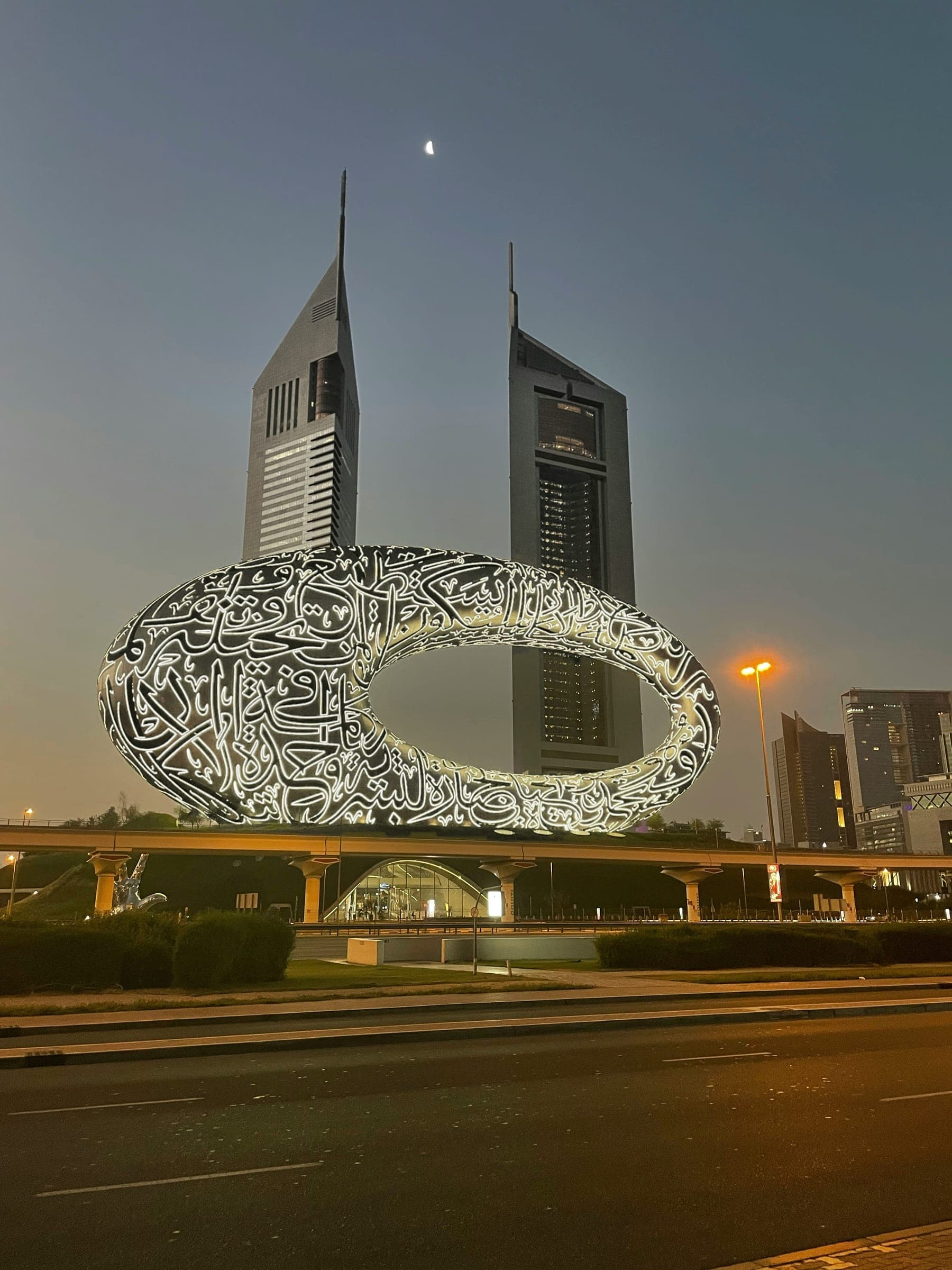
Much of Dubai has been built in the last few decades. That shows in the modern infrastructure and new buildings, and in neighbourhoods designed around the car. The Dubai 2040 Urban Master Plan (The Official Portal of the UAE Government (u.ae), opens in a new tab) sets out the government’s long-term direction. Its stated aims include upgrading urban centres, doubling green and leisure areas, and more sustainable ways of getting around. It’s useful context for understanding where the city wants to go. It doesn’t guarantee what any single area will become, or when.
The climate matters here too. Winters are pleasant and outdoor life is at its best. The summer is long and hot, and daily routines move indoors. When you judge a neighbourhood, think about both seasons: how much of your week you can walk, where you’ll find shade, and how you’ll spend the summer months.
A wide range of property decisions
Part of Dubai’s appeal is the choice it offers. That choice brings more decisions, and each one has its own rules.
- Ready or off-plan. Off-plan buyers pay before the home exists. Dubai’s escrow law (Dubai Legislation Portal, opens in a new tab) requires those payments to go into an account opened in the project’s name and dedicated to its construction. Off-plan sales are recorded in the Interim Real Property Register (Dubai Legislation Portal, opens in a new tab) until the unit is complete. The protections are real, but you still depend on the project being delivered on time and as described.
- Buy or rent. Renting keeps you flexible while you learn the city. Leases are registered through Ejari (Dubai Land Department, opens in a new tab), and the landlord and tenant law (Dubai Legislation Portal, opens in a new tab) gives tenants specific protections, including limits on when rent can rise.
- Live in it or let it. The best home and the best investment are often different properties. Our end user vs investor guide helps you keep the two apart.
- Residence. Owning property can count towards eligibility for some UAE residence visas, including the Golden visa (The Official Portal of the UAE Government (u.ae), opens in a new tab). The criteria are set by the authorities and are revised from time to time. Confirm the current rules through official channels before they influence a purchase, and don’t treat a visa as a reason to buy on its own.
The other side of the decision
Everything above is a reason to consider Dubai. None of it is a reason to buy a particular property. These are the questions that usually decide whether a purchase turns out well.
Neighbourhood fit
The right area depends on your journeys, your routine and the seasons. We’ve written a separate guide on how to judge a neighbourhood.
Affordability and the full cost
The Dubai Land Department charges a registration fee on every sale. Its service page (Dubai Land Department, opens in a new tab) lists this as 2% of the sale value from the seller and 2% from the buyer, plus administrative fees. Add agency commission, mortgage-related costs if you borrow, and annual service charges, which you can check on DLD’s Service Charge Index (Dubai Land Department, opens in a new tab). If you’re financing, the Central Bank of the UAE sets maximum loan-to-value limits (Central Bank of the UAE Rulebook, opens in a new tab) that vary by residency, by whether it’s your first home, and by property value.
Ownership and the transaction
Title is registered with the Dubai Land Department, which lets you verify a title deed (Dubai Land Department, opens in a new tab). The brokers and offices you deal with should be licensed, and you can check licences and permits (Dubai Land Department, opens in a new tab) through DLD. SkyBuild Real Estate is registered with the Real Estate Regulatory Agency under number 35792.
Due diligence
Check who owns the property, whether it’s mortgaged or tenanted, what the service charges are, and, for off-plan, where your payments go. Our list of questions to ask before buying works through each one.
Market cycles
Like most property markets, Dubai’s moves in cycles. Periods of rising prices have been followed by periods of falling ones, and new supply can arrive in waves. No one can reliably time a cycle. What you can control is buying something you could hold through a weaker period, at a cost you could carry if rents or prices fell.
Changing rules
Fees, visa criteria, lending limits and planning rules have all changed over the years. This guide links to the official sources and shows the date we last checked them. Before you rely on any rule, check it again, and take independent legal and tax advice on your own situation. That includes the tax position in any other country where you’re tax resident.
Where to start
If Dubai is on your list, start with your own plans. Write down how long you expect to stay, what the home needs to do for you, and what you could afford if things went less well than hoped. Then look at neighbourhoods, and only then at properties.
If you’d like to think it through with someone who knows the city, start a conversation. There’s no obligation, and the conversation starts with your questions, not our listings.
Sources
- World's busiest airports: 2025 rankings (opens in a new tab)Airports Council International (ACI World). Checked 23 September 2026.
- Regulation No. (3) of 2006 Determining Areas for Ownership by Non-UAE Nationals of Real Property in the Emirate of Dubai (opens in a new tab)Dubai Legislation Portal. Checked 23 September 2026.
- Law No. (7) of 2006 Concerning Real Property Registration in the Emirate of Dubai (opens in a new tab)Dubai Legislation Portal. Checked 23 September 2026.
- Dubai 2040 Urban Master Plan (opens in a new tab)The Official Portal of the UAE Government (u.ae). Checked 23 September 2026.
- Law No. (8) of 2007 Concerning Escrow Accounts for Real Estate Development in the Emirate of Dubai (opens in a new tab)Dubai Legislation Portal. Checked 23 September 2026.
- Law No. (13) of 2008 Regulating the Interim Real Property Register in the Emirate of Dubai (opens in a new tab)Dubai Legislation Portal. Checked 23 September 2026.
- Register / renew tenancy contract (Ejari) (opens in a new tab)Dubai Land Department. Checked 23 September 2026.
- Law No. (26) of 2007 Regulating the Relationship between Landlords and Tenants in the Emirate of Dubai (opens in a new tab)Dubai Legislation Portal. Checked 23 September 2026.
- Property sale registration (service fees) (opens in a new tab)Dubai Land Department. Checked 23 September 2026.
- Service Charge Index (opens in a new tab)Dubai Land Department. Checked 23 September 2026.
- Regulations Regarding Mortgage Loans (opens in a new tab)Central Bank of the UAE Rulebook. Checked 23 September 2026.
- Verify title deed (opens in a new tab)Dubai Land Department. Checked 23 September 2026.
- Verify licence and permits (opens in a new tab)Dubai Land Department. Checked 23 September 2026.
- Golden visa (opens in a new tab)The Official Portal of the UAE Government (u.ae). Checked 23 September 2026.
This guide has been prepared by SkyBuild Real Estate for general information only. It is not investment, legal, tax or financial advice, and should not be relied on as the sole basis for a transaction decision. Rules, fees and eligibility criteria change. Confirm current requirements with the relevant authority, and take independent professional advice on your own circumstances. Sources were checked on the dates shown.
Keep reading
Buyer guide
How to buy property in Dubai: the process step by stepBuyer guide
Off-plan vs ready property in DubaiBuyer guide
End user vs investor: how to choose